
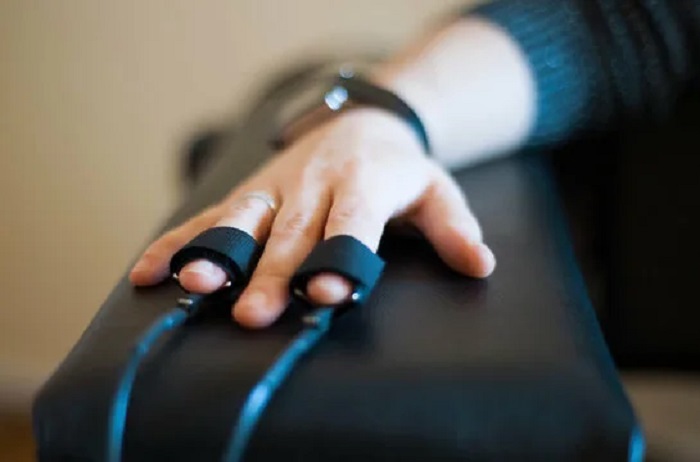
A lie detector, or polygraph, is a technical device designed to determine the truthfulness or falsity of a person’s testimony during an interview. This device measures the physiological reactions that occur in a person under stress, anxiety, or nervousness when lying. Its use is widespread in law enforcement agencies, companies, and forensic institutions to identify dishonest witnesses, suspects, or during interviews.
Modern polygraphs provide a fairly accurate picture of a person’s internal state, increasing the effectiveness and objectivity of the test. Learn more about polygraph services on https://globalexpertsunion.com/, which details the capabilities and features of this instrument, helping you better understand its benefits and applications in various fields.
How a Lie Detector Works
The basic principle of a polygraph is to record and analyze physiological parameters, such as:
- Heart rate
- Blood pressure
- Blood pressure
- Skin temperature
- Muscle movement and activity
Technical principle of modern lie detection devices
Modern lie detectors utilize advanced technologies that allow for non-invasive and more accurate detection of signs of lying. Their work involves monitoring various physiological and psychological parameters, which increases the reliability and accuracy of diagnosis.
General Structure and Operating Principles of Lie Detection Devices
Modern lie detection systems typically consist of the following components:
- Sensor modules – record physiological parameters such as pulse, blood pressure, electrodermal activity, and respiratory parameters.
- Data processing – includes collecting, filtering, and initially processing the received information.
- Analytics system – applies machine learning algorithms and statistical models to identify signs of potential deception.
- User interface – displays analysis results and provides tools for data interpretation.
Currently, technological advances have made it possible to create more accurate and reliable lie detection devices that integrate physiological parameters with intelligent data analysis. This makes it possible to improve the quality of verification and reduce the influence of subjective factors. However, it is important to remember that it is impossible to completely eliminate the human factor, and the effectiveness of the devices depends on proper calibration and interpretation of the data obtained.