
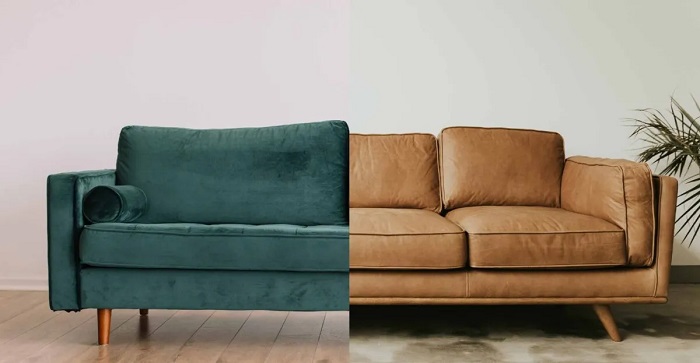
In luxury interiors, upholstery is more than a decorative choice – it shapes the daily experience of comfort, elegance, and durability. While trends shift from season to season, the debate between leather and fabric remains a timeless question for homeowners seeking long-lasting furniture. Each material has its own strengths, aging patterns, and maintenance requirements, and understanding these differences is essential when investing in premium pieces meant to endure years of use.
The lifespan of upholstery depends not only on the material itself but also on quality levels, household habits, environment, and craftsmanship. Luxury homes often demand pieces that retain their aesthetic integrity despite regular use, making durability a top priority. Below, we examine how leather and fabric truly compare when viewed through the lens of longevity, performance, and long-term value.
The Natural Strength of Leather: Built to Endure
Leather has long held a reputation for exceptional durability, especially in high-end interiors. Full-grain and top-grain leathers – considered the highest quality – are highly resistant to wear and gradually develop a soft sheen (patina) that many homeowners regard as a mark of beauty rather than age.
Its tightly packed fibers provide excellent tensile strength, making leather resistant to tearing, sagging, and pilling. Luxury leather also tends to improve with time rather than degrade, becoming more supple while maintaining structural integrity. This makes it ideal for homeowners who want a material that ages gracefully while keeping a refined appearance.
Fabric Upholstery: Versatile, Comfortable, and Condition-Dependent
Fabric offers a broader range of textures, colors, and sensory experiences than leather can provide. In luxury homes, high-performance fabrics and premium natural fibers – such as wool blends, linen weaves, and engineered durability textiles—can rival leather in longevity when chosen well.
The key factor with fabric is its construction. Dense weaves, advanced stain-resistant treatments, and high thread counts significantly extend the fabric’s lifespan. Unlike leather, which ages into softness, fabric ages based on use patterns. High-quality fabric holds its shape and color longer, but lower-grade alternatives may show wear sooner – through fading, fraying, or compression of cushion fibers.
How Luxury Use Habits Influence Longevity
Upholstery in luxury homes often experiences varied types of use – formal living areas may see minimal wear, while family spaces receive daily traffic. In high-use rooms, leather typically outperforms fabric because it resists friction-based wear and is easier to wipe clean from accidental spills.
Temperature and humidity are additional factors. Leather thrives in stable indoor climates, while fabric can handle slightly wider variations. Homes with pets may benefit from tightly woven fabrics or scratch-resistant leather types.
The Role of Craftsmanship and Frame Quality
Even the highest-grade upholstery will not last if the underlying frame is poorly constructed. This is where sourcing from reliable, design-focused retailers becomes essential. Many homeowners explore pieces from curated platforms such as SayRug, where upholstery materials are matched with durable structural craftsmanship.
Hand-tied springs, hardwood frames, reinforced joints, and premium padding materials extend the life of both leather and fabric furniture. Without these, upholstery breaks down faster, regardless of its surface material.
Maintenance: What Extends the Life of Each Material?
Leather maintenance focuses on conditioning to prevent drying or cracking. When cared for properly, leather can last decades longer than fabric and maintain nearly the same visual appeal as when it was new. Meanwhile, fabric longevity depends on regular vacuuming, professional cleaning, and avoiding direct sunlight to preserve color vibrancy.
In homes where convenience and minimal upkeep are priorities, many owners find that leather’s maintenance routine is more straightforward. But modern high-performance fabrics have closed the gap significantly, requiring less effort than traditional textiles of the past.
Sustainability and Long-Term Value
Leather, when ethically sourced, is known for its long lifespan, which contributes to sustainability by reducing replacement frequency. Fabric options vary widely – natural fibers like wool or linen perform exceptionally well and are often biodegradable, while synthetic blends offer strength and stain resistance but may have a shorter ecological lifecycle.
Luxury buyers increasingly consider longevity as part of environmental responsibility. Investing in well-made upholstered pieces – whether leather or fabric – reduces waste and supports sustainable living philosophies. Curated furniture selections, such as those found in premium furniture collections, often highlight materials with proven durability and ethical sourcing.
Final Verdict: Which Lasts Longer?
If the primary concern is longevity, leather generally outperforms fabric. Its natural durability, resistance to wear, and graceful aging process make it an excellent long-term investment. Fabric, however, remains highly competitive when crafted from premium fibers and used in appropriate settings. The decision ultimately depends on lifestyle: leather excels in high-use environments, while luxury fabrics shine in more controlled, design-driven spaces where comfort and texture matter just as much as durability.
For homeowners seeking pieces that blend aesthetics, endurance, and refined craftsmanship, the choice is less about one material being universally superior and more about selecting the right upholstery for the right environment. Both leather and fabric can last many years in a luxury home – provided they are chosen thoughtfully and cared for with intention.