
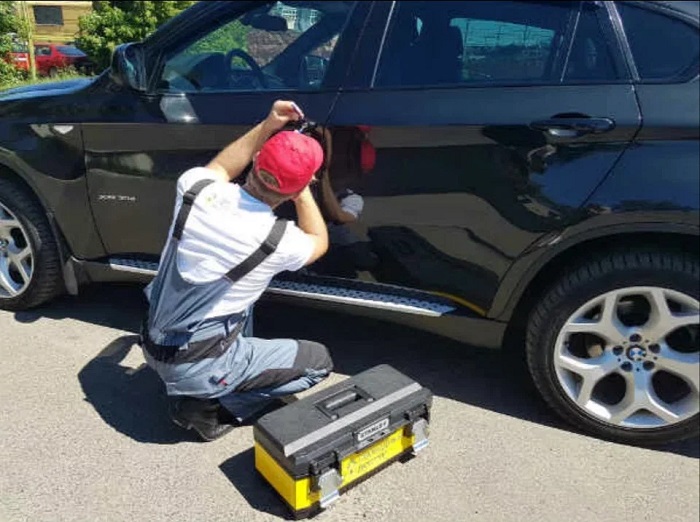
If your car is locked out or your keys are lost, it’s important to know the rules and tips for unlocking your car to complete the procedure quickly and safely. When hiring professionals on https://solidcarlocksmith.ca/, we recommend ordering car unlocking services online, which ensures high-quality and safe work. Proper execution of this procedure helps preserve your car’s integrity and avoid additional costs.
Rules for Safe and Effective Car Locksmithing: Practical Recommendations
Before beginning the car locksmithing process, it’s important to thoroughly prepare and understand the necessary tools and the correct sequence of actions. Following safety rules is essential because improper actions can result in damage to the car or injury. It’s best to use professional tools designed for this purpose and avoid using force without prior training.
Also, consider the nature of the situation: if the car is locked due to damaged locks or another malfunction, approach the task carefully to avoid worsening the problem. It’s recommended to have a plan and stick to it to ensure the process is quick and hassle-free.
Practical Tips for Opening a Car
- Familiarize yourself with the car’s design – examine the location of the locks, the presence of additional locking devices, and mechanisms. This will help you determine the safest and most effective opening method.
- Use the right tools – hydraulic or plastic opening tools are preferable to heavy weapons, which can damage the body.
- Work carefully and slowly – take your time to avoid leaving visible damage. Gradually increase force and find the least traumatic way to open the doors or hood.
- Be mindful of safety – work in a well-lit area, avoid sharp objects and potential electrical sources.
- After opening, inspect the vehicle to ensure there is no damage to the internal components and perform repairs if necessary.
Preparation Steps: Necessary Tools and Safety Precautions
Before opening a vehicle, it is important to thoroughly prepare to minimize the risk of damage and ensure safety. Preparation includes selecting the necessary tools and observing safety precautions to prevent possible negative consequences during the procedure.
Required tools typically include plastic cards or special hydraulic levers for opening doors, various types of screwdrivers, a crowbar, as well as gloves and safety glasses. Before using tools, it is recommended to ensure they are in good working order and clean to avoid accidental damage or contamination of the vehicle’s interior. It is also necessary to determine in advance the location of the operation, making sure that it is safe and does not create a disturbance to others. Personal safety precautions should be taken to avoid sharp or broken tools, as well as to avoid the risk of electrical shock or damage to the fluid reservoir.
Preparation Precautions
- Conduct a visual inspection of the vehicle to assess possible weak points and potential obstacles.
- Use personal protective equipment, such as gloves and goggles, to prevent injury.
- Ensure that spare tools and accessories are available in case of emergency.
- Study the vehicle’s design and locking features to determine the safest opening tactics.
- Ensure that no unauthorized persons are nearby to avoid misunderstandings and potential conflicts.
Review of Permits and Legal Aspects of Vehicle Entry
Entering a vehicle without the appropriate documents and permits may result in legal consequences, including Fines, administrative, or criminal liability. Therefore, it is important to know and comply with all legal regulations related to this process to avoid unwanted consequences.
When planning a car break-in, it is necessary to consider existing legislation and have documents confirming the right to perform these actions, such as insurance, a power of attorney, or a service contract. Below is an overview of the key aspects related to the legal aspects of vehicle entry.
Permits and legal regulations
- Documents confirming the right to open a car: a power of attorney, a service contract, licenses and permits from the owner.
- Legislative acts: articles of the Civil and Criminal Codes governing entry situations, such as for the purpose of providing assistance, evacuation, and experience.
- Owner’s consent: Written consent from the owner or authorized representative is a prerequisite for the legality of the procedure.
Ultimately, compliance with legal requirements and the availability of relevant documents are the key to the legality and safety of the car opening process. This helps avoid legal issues and ensures transparency.