
Major seaports handle thousands of shipping containers every day, coordinating movements between vessels, storage yards, trucks, and railway networks. Behind each container transfer is a carefully organized system involving terminal equipment, operational schedules, and cargo identification records. For importers and freight forwarders, Container Tracking provides a way to follow recorded shipment milestones as cargo moves through these facilities. Understanding how container terminals operate offers valuable insight into the infrastructure supporting international trade and the movement of goods between countries.
How Containers Enter a Port Terminal
The process begins when export containers arrive at a terminal by truck or rail. Before entering the facility, transport operators must meet documentation and booking requirements.
At the terminal gate, container identification numbers are recorded and the equipment may undergo security and condition checks.
Terminal management systems use this information to assign containers to storage locations based on vessel schedules, cargo characteristics, and handling requirements.
Containers generally remain in designated yard areas until they are ready to be loaded onto a vessel.
The Role of Container Yard Equipment
Moving containers efficiently requires specialized terminal machinery.
Rubber-tyred gantry cranes, rail-mounted gantry cranes, reach stackers, and terminal tractors perform different functions within the facility.
For example, gantry cranes organize containers in stacked storage areas, while terminal tractors transport units between the quay and container yard.
Modern terminals increasingly use digital systems to coordinate equipment assignments and container positioning.
The objective is to maintain organized cargo flows while making effective use of available terminal space.
How Containers Are Loaded Onto Ships
Before loading begins, shipping lines and terminal operators prepare a vessel stowage plan.
The plan determines where containers should be positioned according to weight, destination, equipment type, and vessel stability requirements.
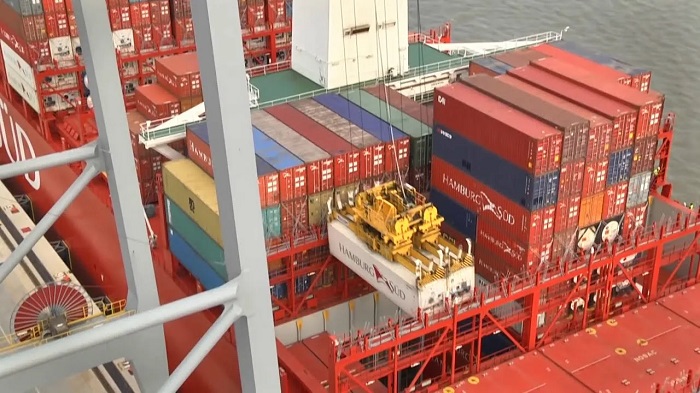
Ship-to-shore cranes then transfer containers from the quay onto the vessel.
Each loading movement must be coordinated with terminal vehicles and yard operations to ensure the correct container reaches its assigned position.
Once loading is complete, the terminal records the relevant handling events and the vessel prepares for departure.
What Happens When a Vessel Arrives?
Import operations follow a related process in reverse.
Quay cranes discharge containers from the vessel and transfer them to terminal vehicles for movement into designated storage areas.
Containers may then undergo customs procedures, inspections, or other release requirements before collection.
Key activities include:
- Container discharge: Unloading units from the arriving vessel.
- Yard positioning: Moving containers into assigned storage locations.
- Cargo release: Completing applicable carrier and customs requirements.
- Gate-out operations: Transferring released containers to authorized transport providers.
Not every container follows the same sequence, especially when cargo is transferred between vessels.
Digital Technology in Modern Port Operations
Container terminals increasingly rely on terminal operating systems, automated equipment, and electronic data exchange.
These technologies help coordinate container locations, vessel loading plans, equipment movements, and gate activities.
Some ports also use remotely operated cranes and automated terminal vehicles to support handling operations.
However, terminal management systems and external shipment tracking platforms serve different purposes. A terminal system manages physical cargo operations, while shipment tracking services provide selected transportation events to logistics participants.
Why Efficient Terminals Matter for Global Trade
Container terminals connect ocean shipping networks with inland transportation infrastructure.
Their ability to organize vessel loading, container storage, and cargo collection affects how goods move through international supply chains.
Efficient terminal operations require coordinated equipment, accurate cargo records, trained personnel, and reliable communication with transportation partners.
As global container volumes continue evolving, the relationship between physical port infrastructure and digital logistics information will remain an important part of modern freight transportation.